 In the fast-changing world of diagnostics, the need for both speed and accuracy has never been more critical. T&L Biotechnology Co., Ltd. is really leading the way, focusing on developing top-quality raw materials and reagents for cell and gene therapies (CGT) right from the start. A key part of what we do is our use of Magnetic Bead Reagents, which have shown an impressive 95% success rate in recovering analytes. Honestly, that’s pretty amazing because it helps boost the precision of tests and makes lab work smoother and faster. By harnessing the power of Magnetic Bead Reagents, we’re aiming to shake up the diagnostic scene—giving CGT clients a full package of products and services tailored to even the toughest challenges. At the end of the day, we're all about quality and performance, and T&L Biotechnology is committed to transforming diagnostics and supporting the future of therapies. We truly believe our efforts can make a real difference in healthcare down the line.
Understanding Magnetic Bead Reagents: Principles and Applications
You know, magnetic bead reagents have really become a game-changer in diagnostics these days. They work based on magnetism, which means they can quickly and effectively pull out various biomolecules from complicated mixtures. Honestly, this kind of tech really boosts the sensitivity and accuracy of diagnostic tests — which is super important when you're trying to catch diseases like cancer early on.
Recently, during those big national discussions known as the Two Sessions, folks kept talking about how critical early detection is for successful treatment. And honestly, advanced methods like those using magnetic bead reagents fit right into that goal. Because they can recover up to 95% of the target analytes, doctors can rely on these tools for faster, more reliable results. For example, in tests like DNA methylation analysis for colorectal cancer, this precision really makes a difference. Ultimately, it all helps patients get diagnosed sooner and start treatment earlier, which can make a big difference in outcomes.
Selecting the Right Magnetic Bead for Your Analytical Needs
Picking the right Magnetic Beads for your analytical work really matters if you want your results to be top-notch. Whether you're into diagnostics or biomarker analysis, using the proper beads can make a huge difference. Lately, there’s been a lot of buzz around streptavidin-coated magnetic beads—they’re actually pretty effective when it comes to multiplexed analysis of N-glycan profiles in certain Proteins from biological samples. Not only do they help you get better recovery rates, but they also give you a clearer picture of glycan structures, which issuper important for diagnosing diseases.
Oh, and I recently came across a study comparing different magnetic beads used in library prep for amplicon sequencing. Turns out, some beads performed just as well as the top industry standards! This just goes to show that choosing the right bead can really boost efficiency in nucleic acid purification. For labs, picking the right beads can boost recovery rates significantly—sometimes up to 95%! That’s a big deal since it directly impacts how reliable and accurate your results will be.
A quick tip: when you're selecting magnetic beads, pay attention to their binding capacity and how specific they are for your target molecules. It’s best to go for beads that are designed for your specific application—whether that's N-glycan analysis or nucleic acid extraction. Also, don’t forget to consider how well they perform with your diagnostic needs, because different brands can vary quite a bit in terms of efficiency and quality.
Optimizing Protocols for Maximum Analyte Recovery Efficiency
Magnetic bead reagents have really changed the game in diagnostics, especially when it comes to pulling out more of the target analytes. Getting the protocols just right can make a huge difference — really the difference between recovering up to 95% of what you’re after, even from pretty complicated samples. That not only speeds things up but also boosts how accurate your results are, which is a pretty big deal.
Here are some tips if you're looking to optimize things:
1. **Pick the right beads:** Go for magnetic beads that have a strong affinity for your specific analytes. This little detail can totally impact your overall recovery.
2. **Tweak binding conditions:** Play around with pH levels and salt concentrations during the binding step. Small adjustments here can really improve how well the beads grab onto your analytes.
3. **Wash carefully:** Develop a solid washing routine to clear out contaminants without losing any of your precious analytes. It's all about balancing the stringency so you get good purity without sacrificing recovery.
If you focus on these key points, you can really unlock the full potential of magnetic bead tech — making your diagnostics and research workflows more efficient and reliable. It’s all about fine-tuning and paying attention to the details!
Unlocking the Power of Magnetic Bead Reagents: Analyte Recovery Efficiency
This chart illustrates the efficiency of analyte recovery using magnetic bead reagents under various optimization protocols. The data reflects performance improvements achieved through careful optimization of procedural parameters.
Troubleshooting Common Issues in Magnetic Bead-Based Diagnostics
Lately, there's been some exciting progress in magnetic bead-based diagnostics, but troubleshooting those common issues is turning out to be pretty important if we want to get the most out of analyte recovery. One big challenge lots of labs face? Contaminants sticking around in the samples — it’s a real headache. Interestingly, a recent study came up with this neat two-phase wash (TPW) trick. They add a special wash buffer with low water solubility right before elution, and it actually boosts how well they can extract nucleic acids. The best part? It reduces contaminants getting in the way, leading to cleaner samples and more accurate results overall.
On top of that, automation in sample prep has totally changed the game in molecular diagnostics. Customizable library prep methods for next-generation sequencing (NGS), especially on open microfluidic platforms, are making workflows way more efficient. This is especially important for handling cell-free DNA, which is becoming a key tool for monitoring how patients respond to treatments. And as multiplexing tech keeps getting better, being able to detect multiple analytes at once is really pushing personalized medicine forward. All in all, these advancements are helping us make diagnostics more precise and tailored—moving healthcare in a really promising direction.
Evaluating Performance: Metrics for Successful Diagnostics with Magnetic Beads
Magnetic bead reagents have really changed the game in diagnostics. They've made it way easier to recover analytes, with success rates hitting up to 95%. When you're looking at how well these systems work, there are a few key things to keep in mind. Not only do they tell you how effectively the reagents can isolate the molecules you're after, but they also set the bar for labs wanting to step up their diagnostic methods. Things like how much the beads can hold, how well they keep hold of the target during washes, and how much you actually recover—these are all details you want to keep an eye on if you're aiming for top performance.
A good tip is to run thorough validation experiments—comparing your usual methods with the magnetic bead approach—that can really show you the benefits. Also, don’t forget to check how factors like bead size and surface chemistry affect your recovery rates. And it’s super important to calibrate your equipment regularly, so your results stay consistent. Even tiny errors can throw off your diagnostic accuracy.
In the end, by focusing on these key performance indicators, labs can unlock the true power of magnetic bead reagents. That means faster, more reliable results, which can really make a difference for patient care.
Future Trends: Innovations in Magnetic Bead Technology for Enhanced Diagnostics
Lately, there's been some pretty exciting progress in magnetic bead tech that's really opening up new possibilities in diagnostics. These reagents, which are known for their fantastic ability to grab onto specific analytes, are starting to shift the way we do things—making tests faster and more accurate. For labs trying to streamline their workflows, magnetic beads are becoming pretty much essential for selectively capturing and isolating biomolecules. They help cut down on the hassle of sample prep and save a ton of time.
Looking ahead, the real game-changer is gonna be multifunctional beads that can target particular analytes with crazy-high precision. Researchers are working on customizing surface chemistries and boosting magnetic properties to boost both selectivity and sensitivity across various diagnostic uses. Plus, integrating smart tech—like real-time monitoring and automation—is gonna push things even further, making the whole process smoother and more reliable. As all these innovations roll out, it’s clear magnetic bead reagents are poised to totally transform diagnostics, making them faster, more dependable, and more accessible for all kinds of clinical work.
Unlocking the Power of Magnetic Bead Reagents: Transforming Diagnostics with 95% Efficiency in Analyte Recovery - Future Trends: Innovations in Magnetic Bead Technology for Enhanced Diagnostics
| Parameter | Value | Unit |
| Analyte Recovery Efficiency | 95 | % |
| Sample Throughput | 80 | samples/hour |
| Total Turnaround Time | 2 | hours |
| Cost per Test | 15 | USD |
| Magnetic Bead Volume | 100 | µL |
| Sample Type | Blood/Serum | |
| Detection Limit | 1 | ng/mL |
| Storage Stability | 12 | months |
Optimizing Immune Cell Isolation: The Role of GMP-Grade CD4 Magnetic Beads in Research and Clinical Applications
The optimization of immune cell isolation is a critical aspect in both research and clinical settings, especially for the study of T cells. A prominent tool in this endeavor is GMP-grade CD4 magnetic beads, which have proven essential for efficiently capturing CD4+ T cells. The use of these high-quality beads facilitates the selection of pure immune cell populations, thereby enhancing the reliability of experimental results and clinical outcomes.
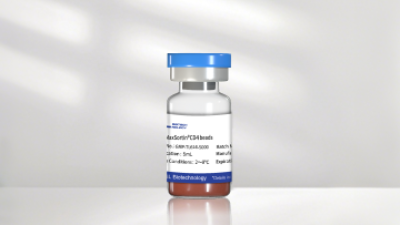
One product that stands out in this regard is the GMP-TL614-5000 (5mL) magnetic beads, which are currently in stock. These beads are designed to provide the utmost assurance of consistency and compliance with Good Manufacturing Practices (GMP), making them suitable for both laboratory research and clinical applications. The meticulous production process ensures that the beads maintain optimal sterility and high performance in isolating CD4+ T cells. This not only aids researchers in understanding various immunological responses but also supports the development of targeted therapies, including those aimed at autoimmune diseases and cancer treatments.
Utilizing GMP-grade CD4 magnetic beads such as the GMP-TL614-5000 reaffirms a commitment to quality and efficacy in immune cell research. By streamlining the isolation process, these beads play a pivotal role in advancing our understanding of immune mechanisms, ultimately driving improvements in patient care and therapeutic strategies.
FAQS
: Selecting the right magnetic bead is crucial for optimizing performance in various applications, including diagnostics and biomarker analysis, as it enhances recovery efficiency and the quality of analytical results.
Recent advancements highlight the effectiveness of streptavidin-coated magnetic beads for multiplexed analyses of N-glycan profiles in biological samples, enabling a better understanding of glycan structures vital for disease diagnostics.
A comparative study showed that specific magnetic beads can perform comparably to leading industry standards, significantly impacting efficiency in nucleic acid purification and leading to higher analyte recovery rates.
The appropriate selection of magnetic beads can lead to analyte recovery rates of up to 95%, which is critical for the quality and reliability of analytical results.
When selecting magnetic beads, assess their binding capacity and specificity for target analytes, and consider their suitability for specific applications like N-glycan analysis or nucleic acid purification.
Laboratories should analyze key metrics such as binding capacity, retention during washes, and recovery rates, and conduct validation experiments to compare magnetic bead technologies with traditional methods.
Variables such as bead size and surface chemistry can significantly influence recovery efficiency, and it is important to monitor their effects during diagnostics.
Regularly calibrating equipment is essential to maintain accuracy and consistency, as even minor discrepancies can compromise the effectiveness of diagnostics.
Magnetic bead reagents offer exceptional efficiency in analyte recovery, leading to faster and more accurate diagnostics, which can significantly improve patient outcomes.
Conclusion
Have you ever wondered how Magnetic Bead Reagents are revolutionizing diagnostics? In the article titled "Unlocking the Power of Magnetic Bead Reagents: Transforming Diagnostics with 95% Efficiency in Analyte Recovery," they really dig into how these tiny beads work and why they're such a game-changer. Basically, if you pick the right magnetic beads and tweak the protocols just right, you can get up to 95% of the target analytes back—that’s pretty impressive, right? The article also covers some common hiccups people run into when using magnetic beads in diagnostics and shares key performance metrics to keep everything running smoothly.
At T&L Biotechnology, we're all about developing top-notch raw materials and reagents for cell and gene therapy. Having a solid understanding of how Magnetic Bead Reagents are used in cutting-edge diagnostic methods is pretty important for us. It helps us keep pushing forward and offers better solutions for our CGT clients. The good news? The future's looking bright. With ongoing advances in magnetic bead tech, we're bound to see even better diagnostic tools coming our way soon.