In the fast-moving world of cell and Gene Therapy (CGT), staying on top of new tech is a total must if you want to succeed. One cool innovation that’s really making waves is Magnetic Beads—they’ve become pretty much a go-to tool in labs for stuff like targeted purification and separation. Here at T&L Biotechnology Co., Ltd., we’re all about pushing the envelope with research and development, especially when it comes to upstream GMP-grade raw materials and reagents to back up CGT efforts. When scientists use Magnetic Beads, they often find that their experiments become more efficient and accurate—making the whole process smoother and helping to develop better therapies. In this article, I’ll share some tips on how to get the most out of Magnetic Beads in your projects, along with practical advice. We're dedicated to providing complete solutions for our CGT customers, and I hope these insights help you along the way!
Understanding Magnetic Beads: Properties and Varieties
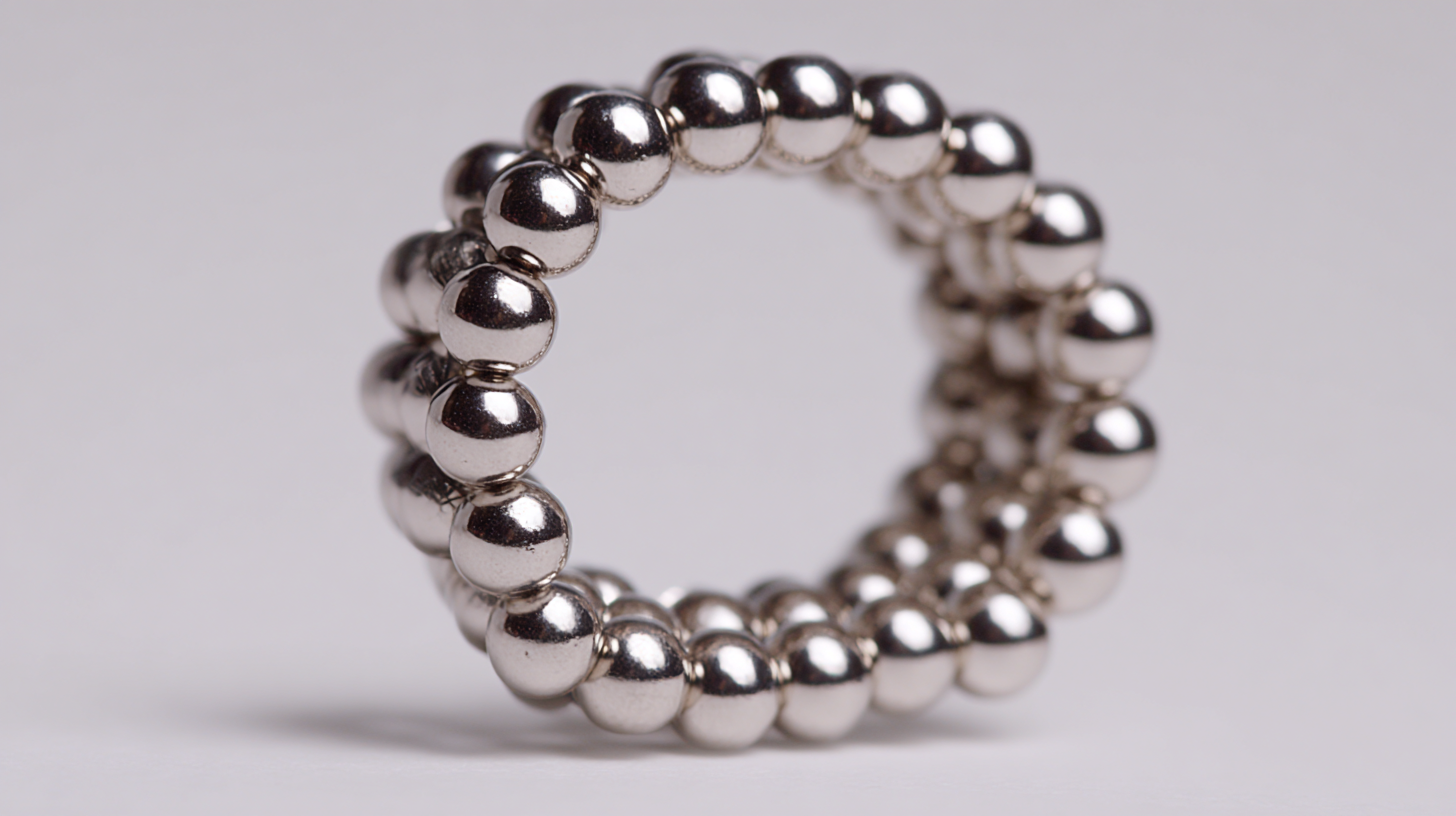
Magnetic beads are pretty handy tools that you’ll find in all kinds of projects, mainly because of their unique features. They're usually made from ferrite or rare-earth materials, which give them some serious magnetic power—meaning they can attract other magnets or ferromagnetic stuff pretty easily. Their tiny size and light weight make them perfect for detailed work, whether you’re into crafting, electronics, or even scientific research. Knowing a bit about their basic properties—like coercivity, saturation magnetization, and permeability—really helps in picking the right bead for whatever you’re working on.
Now, when it comes to different types, magnetic beads come in all sorts of shapes and sizes. You’ve got simple cubic or spherical beads often used in crafts or educational projects. Then there are specialized ones like discs or rings that are actually designed for tech gear—think sensors or actuators. Some beads even come coated with protective materials to boost durability or stop rusting, making them suitable for tougher environments. By understanding these various properties and styles, creators can really take their projects to the next level—coming up with innovative ideas and making things that work smoothly and look great, all with a little help from the right magnetic beads.

Choosing the Right Magnetic Beads for Your Project
When you're picking the right magnetic beads for your project, it's pretty important to think about things like their size, surface features, and what kind of interactions you're aiming for. Recent studies highlight just how crucial it is to choose beads that match what your application needs — especially in areas like bioaffinity work. For example, attaching glyconanoconjugates to magnetic beads can really boost their functionality, making them great for spotting specific antibodies. Oh, and don’t forget to consider the bead size — it can really impact how well they bind and how much you can recover during your tests.
On top of that, new advances in magnetic bead preset technology are a game-changer, especially for microfluidic setups. By customizing magnetic beads with the right features, researchers are able to sharpen how they interact with their target molecules, which translates into better results in their assays. So, getting a good grasp of how these beads move and function can really help you unlock their full potential in your work. Picking the right beads based on these factors will not only make your workflow smoother but also give you more reliable and consistent results.
Magnetic Beads Project Comparison
This bar chart illustrates the importance levels of various factors when selecting magnetic beads for projects. Each factor is rated on a scale of 1 to 10, indicating its significance in the selection process.
Techniques for Manipulating Magnetic Beads in Designs
You know, magnetic beads have really become quite the game-changer in a bunch of fields, especially in biological engineering. I mean, the methods we've developed to manipulate these tiny beads open up some pretty exciting opportunities for working with cells and tissues. Using magnetic forces to guide and control live cells—well, that's a huge step forward for biotech research. And get this: recent innovations like modular magnetic micro-robotic devices make these techniques even more versatile and user-friendly. Researchers can now juggle multiple electromagnetic setups in their experiments without too much fuss, which is pretty cool.
In microfluidic setups, magnetic beads can be trapped and detected pretty efficiently, opening doors for all sorts of new bioassays. Plus, when you combine micro-coils and micro-fluxgate tech, it really boosts how sensitive and fast these assays can be. Oh, and magnetic tweezers? They’re pretty revolutionary when it comes to manipulating single molecules—really impacting both physics and biology. All these magnetic manipulation tools together give scientists a solid framework for designing experiments that need really precise control over biological materials. It’s all paving the way for some exciting breakthroughs in research and diagnostics.
Incorporating Magnetic Beads into Different Mediums
Magnetic beads are honestly pretty versatile tools that can pretty much take your projects to the next level across different mediums. If you've ever made jewelry, you probably already know they make for really eye-catching closures or cute little accents — not just for looks, but they also make things way more practical. Like, slipping a necklace or bracelet on and off becomes a breeze when you hide a magnetic bead inside. It's such a simple touch, but it really makes a difference in how functional and stylish your pieces turn out.
And it doesn’t stop there. In crafts, magnetic beads are actually super fun to play around with, especially in mixed media art. You can glue or sew them into home decor projects, wall hangings, or even on canvases — their ability to cling to metal surfaces opens up all sorts of cool possibilities. You can layer them up to add textures that catch the eye and invite people to take a closer look from different angles. Plus, kids' crafts totally benefit from these beads since they spark curiosity and make learning about magnetism a hands-on adventure — it’s pretty awesome to see young creators explore and get inspired by how these tiny beads work.
Troubleshooting Common Issues with Magnetic Bead Projects
When you're working with magnetic beads across different projects, some common issues are pretty much unavoidable. One of the biggest headaches? The inconsistency in how well the beads bind. I mean, if you've read the Journal of Molecular Biology, you’ll see that uneven binding strength can mess with your results — especially if you're doing stuff like PCR or RNA extraction. But here's the good news: tweaking the temperature and giving the incubation some thought can really make a difference. It helps the beads bind more reliably, so you get more consistent, trustworthy results.
Another snag people often run into is that the beads tend to clump together or aggregate, which can throw off their performance. According to a report in Nature Protocols, using a buffer with the right ionic strength can help stop that from happening. It keeps the beads functioning like they’re supposed to. Plus, taking the time for proper washing steps to clear out any unbound beads makes a big difference, giving you clearer, more accurate data. Honestly, if you pay a little attention to these common issues, you’ll get way better results with magnetic beads. It’s all about troubleshooting smartly so you can get the most out of your experiments.
Creative Applications of Magnetic Beads in Art and Engineering
Magnetic beads have really found their place as a super versatile tool, not just in engineering but also in art. It’s pretty exciting—these tiny beads are opening up all sorts of new possibilities for creators and designers alike. According to a report from MarketsandMarkets, the global market for magnetic materials was worth around $40 billion back in 2022, and it’s expected to keep growing, mainly because more fields like manufacturing and creative arts are starting to use them. Artists, in particular, are having a lot of fun with magnetic beads, using their unique properties to make interactive, movable art installations. It’s kind of like bringing the art to life — viewers can actually get involved, move things around, and really engage with the work. It’s a cool shift towards more immersive, hands-on art experiences.
On the engineering side, magnetic beads are pretty impressive too. A study published in the Journal of Applied Surface Science pointed out how these beads are being integrated into all sorts of applications—think diagnostic tools and sensors—thanks to their magnetic nature, which makes sample separation and manipulation much easier. Because of this, there have been real advances in areas like medical diagnostics and environmental monitoring. It’s pretty amazing how these tiny particles are merging functionality with creative design, making a difference in both tech and art worlds. And honestly, as more people—artists and engineers alike—discover what they can do, the line between art and tech just keeps blurring, fueling innovation in all kinds of fields.
How to Harness the Power of Magnetic Beads in Your Projects - Creative Applications of Magnetic Beads in Art and Engineering
| Application Area | Description | Recommended Magnetic Bead Type | Benefits |
| Art Installations | Using magnetic beads to create dynamic art pieces that can be rearranged. | Neodymium Magnets | Flexibility in design and ease of interaction. |
| Educational Tools | Magnetic beads used for teaching concepts of magnetism and physics. | Ceramic Magnets | Engaging learning experience and hands-on experimentation. |
| Craft Projects | Creating jewelry, decorations, and other crafts using magnetic beads. | Plastic-coated Magnets | Durable and safe for creative projects. |
| Robotics | Using magnetic beads in robot assembly for easy attachment and removal. | Neodymium or Rare Earth Magnets | Convenient assembly and modification of robotic components. |
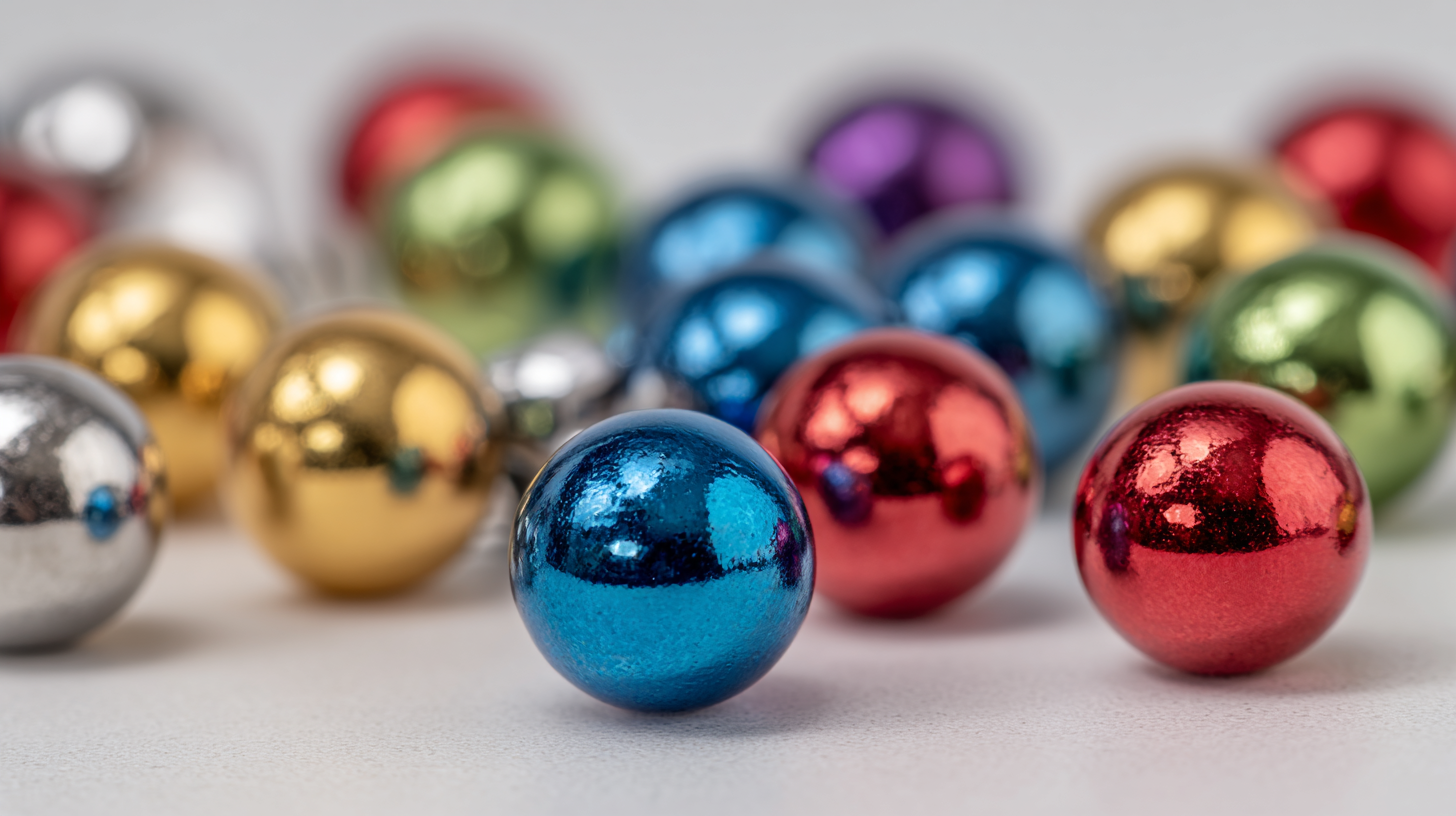
| Decorative Items | Creating home decor using magnetic beads for a unique look. | Colored Magnets | Aesthetic appeal and personalization options. |
Optimizing CD8+ T Cell Isolation with GMP Grade MaxSortin® Separation Magnetic Beads for Advanced Immunotherapy
The advancement of immunotherapy has seen significant progress with the development of innovative techniques for isolating CD8+ T cells, which play a crucial role in the body’s immune response. One of the key innovations in this area is the application of GMP Grade MaxSortin® Separation Magnetic Beads. These beads are designed for optimal isolation of CD8+ T cells, ensuring high purity and viability, which are essential for effective therapeutic applications.
The GMP-TL618-5000 model offers a convenient 5mL solution that stands out in the market due to its rigorous manufacturing standards. With these magnetic beads, researchers can perform isolations that not only improve cell recovery rates but also maintain the functional integrity of the T cells. This is particularly important in developing advanced immunotherapies, as the quality of the isolated cells directly affects therapeutic outcomes.
The use of GMP Grade MaxSortin® Separation Magnetic Beads aligns with the industry's increasing demand for high-quality reagents that comply with regulatory standards. This ensures that the isolated CD8+ T cells can be reliably utilized in clinical settings, ultimately contributing to more effective and targeted immunotherapy strategies. By optimizing the isolation process, researchers are better equipped to harness the full potential of CD8+ T cells in combating various diseases, particularly cancer.
FAQS
: Magnetic beads are used for precise guiding and controlling of live cells, which is essential for advancing biotechnological research.
They can be effectively trapped and detected, enabling innovative bioassays through the integration of micro-coils and micro-fluxgate technology, improving sensitivity and speed.
Magnetic tweezers allow for single molecule manipulation, significantly impacting both physics and biology by enabling precise control over biological materials.
Magnetic beads can serve as captivating closures or accents in jewelry, providing aesthetic appeal and practical benefits for easy wear and removal.
They can be used creatively in mixed media projects, allowing for dynamic and interactive artworks by sticking to metal surfaces or enhancing textures.
They stimulate curiosity and provide a fun, hands-on learning experience, allowing young creators to explore magnetism and engage in design activities.
Artists must find innovative ways to integrate magnetic beads, ensuring that they maintain functionality while enhancing aesthetic appeal.
They are integrated into diagnostic tools and sensors, facilitating sample separation and manipulation, leading to significant advancements in medical diagnostics and environmental monitoring.
The global magnetic materials market, valued at $40 billion in 2022, is projected to grow significantly due to increased applications in various fields, including manufacturing and creative arts.
They drive innovation and creativity across industries as more artists and engineers discover their potential in creating interactive, movable installations and efficient engineering applications.
Conclusion
Ever wondered how you can really tap into the potential of magnetic beads in your projects? Well, this article, titled "How to Harness the Power of Magnetic Beads in Your Projects," dives into all that and more. It kicks things off with an easy-to-understand rundown of the different types and properties of magnetic beads—pretty important if you're trying to pick the right ones for your specific needs. From there, it explores some handy techniques for working with these beads effectively, highlighting just how versatile they are across different mediums. Oh, and it doesn’t shy away from discussing the common hurdles folks face when using magnetic beads, offering some practical troubleshooting tips along the way. To wrap things up, the article showcases some really cool ways magnetic beads are being used in art and engineering — showing how a simple tool can really boost creativity and innovation.
At T&L Biotechnology Co., Ltd., we totally get how important magnetic beads are, especially in cutting-edge fields like cell and gene therapy. That's why we’re all about developing top-notch, GMP-grade raw materials, combining these with advanced tech like magnetic beads to give our customers the best solutions out there. We’re constantly working to meet the growing demands of the CGT world with innovative approaches and high-quality products.