Hey there! If you’ve been keeping an eye on the world of cell and Gene Therapy (CGT), you know things are moving pretty fast. It's kind of wild, but the need for top-notch Cell Culture Solutions is skyrocketing! A recent report from ResearchAndMarkets even suggests that the global cell culture market could hit a whopping USD 27.94 billion by 2026, thanks to a brisk growth rate of about 12.5% per year since 2021. This is a big deal because it really highlights how crucial it is to have high-quality raw materials and reagents that can meet the tough standards of CGT research and production. We've got some leading manufacturers in China really stepping up to the plate. They're known for their innovative approaches and sticking to those GMP-grade standards. Among them, T&L Biotechnology Co., Ltd. is really making waves, focusing on developing and supplying advanced Cell Culture Solutions. They're all about helping CGT researchers smash their goals with confidence, which is super exciting!

Understanding the Importance of Quality in Cell Culture Solutions
You know, in the fast-paced world of cellular biology, we really can’t underestimate the role of quality in cell culture solutions. Seriously, having top-notch cell culture media is crucial for keeping biological research on point. These solutions supply the essential nutrients, hormones, and growth factors thaT Cells absolutely need to thrive. I read somewhere that according to a report from the Global Cell Culture Market Research, the cell culture market is expected to hit about $5.78 billion by 2025. That just goes to show how much researchers are leaning towards high-quality solutions for getting the results they want.
When it comes to picking out cell culture solutions, it's a good idea for researchers to really focus on products that meet high-quality standards. So, it’s worth your time to find manufacturers that follow strict testing protocols and solid quality control measures. This ensures that the products you get are consistent and reliable. Oh, and don’t forget to check for industry certifications like ISO 13485. Those little badges show that a manufacturer plays by the international quality management rules.
**A couple of tips:** Always go for cell culture media from well-regarded suppliers who are into research and development. That way, you can bet they’re keeping up with the latest and greatest advancements. Plus, it can really help to routinely check out recent articles and research published in scientific journals. Staying in the loop about the best practices and innovative techniques in cell culture can make a difference. Being proactive about quality assurance? That can really lead to more reliable and reproducible research outcomes, which ultimately helps push the scientific community's knowledge forward.
Cell Culture Solutions Quality Comparison
Exploring Leading Chinese Manufacturers in Cell Culture Products
When it comes to pushing your research forward, choosing top-notch cell culture products is super important. Lately, we've seen some leading Chinese manufacturers really step up and make a name for themselves in this space. They’ve got a ton of options that cater not just to basic research, but also to those specialized projects that need something a little extra. What’s cool is that these companies are known for their innovation, but they also keep a super close eye on quality control, which is crucial for getting solid results in your experiments.

To really make the most of these high-quality cell culture solutions, I've got a few tips for you. First off, definitely check out the specs of the products you’re planning to use. Pay attention to things like whether they’re compatible with your specific cell lines and their sterility guarantees. Then, don’t forget to take advantage of the resources available from manufacturers—like technical support and user guides. Trust me, these can really boost your understanding and help you apply their products better, leading to some awesome results in your studies.
Also, building a good relationship with these manufacturers can pay off big time. A lot of the top Chinese companies are open to partnerships for joint research or collaborative projects. If you reach out to them directly, you can gain some great insights into the newest advancements in cell culture technologies. Who knows? It might even lead to exciting innovations tailored just for your research needs!
Navigating Industry Certification Requirements for Cell Culture Exports
Navigating the complexities of industry certification requirements is a critical step for manufacturers looking to export cell culture products. In a market projected to reach $25 billion by 2025, ensuring compliance with certifications such as ISO and Good Manufacturing Practice (GMP) is essential for gaining global trust. Certifications not only enhance product credibility but also facilitate smoother international trade, especially in regions with stringent regulatory frameworks. For instance, the Asia-Pacific region is experiencing a rapid increase in biopharmaceutical manufacturing, leading to heightened scrutiny in quality assurance processes.
Tip: Ensure your facility undergoes regular audits to maintain compliance with industry standards. This proactive approach not only prepares you for inspections but also demonstrates a commitment to quality to your clients.
Additionally, understanding the specifics of different certifications can help companies tailor their production processes accordingly. The International Society for Cell and Gene Therapy (ISCGT) outlines the need for rigorous quality assessment to meet both local and international export standards. By aligning production with these guidelines, manufacturers can streamline their processes and reduce the risks associated with non-compliance.
Tip: Collaborate with industry experts or consultants who specialize in regulatory affairs to navigate the certification landscape effectively. This partnership can provide insights into best practices and help avoid common pitfalls.
How to Select the Right Cell Culture Solutions for Your Research
Choosing the right cell culture solutions is super important for researchers who want reliable and consistent results. I mean, with the cell culture market set to explode to around USD 7.6 billion by 2025, like they mentioned in a Grand View Research report, it’s a great time to find top-notch cell culture products. You know, some leading manufacturers from China are really stepping up their game, offering everything from media, sera, to all kinds of supplements to meet the varied needs of research. When you’re picking a product, it’s worth considering stuff like the specific type of cells you’re working with, the growth conditions, and what your application requires to really boost your experimental outcomes.
And hey, if you want to make smart choices, be sure to check out the product credentials too. Look for certifications and compliance with industry standards—like FDA approval or ISO certifications—because that usually signals a strong commitment to quality and safety in the cell culture supplies you’ll be using. Plus, why not take some time to look at product comparisons and dive into scientific literature? They often lay out the performance benchmarks of different solutions. If you take all this into account, you can really fine-tune your cell culture techniques and, in turn, elevate the quality of your research.
Best Practices for Collaborating with Chinese Manufacturers in the Biotech Sector
Teaming up with Chinese manufacturers in the biotech world can really amp up your research game, especially when you’re looking for high-quality cell culture solutions. To make these partnerships work, it’s super important to keep the lines of communication open. You know, a recent report from the BioIndustry Association pointed out that when teams communicate effectively, they can boost their project success rates by as much as 30%! That means things run smoother and deliveries happen on time. Regular catch-up meetings and using project management tools can help make sure everyone’s on the same page and the project is cruising along nicely.
And hey, don’t forget about the regulatory scene in China; it’s really something to wrap your head around. The International Chamber of Commerce did a study that showed diving into local compliance can be tricky, but it’s totally worth it to dodge any expensive delays. Companies that take the time to get familiar with the Chinese regulations are 20% more likely to hit their project deadlines. Plus, building solid relationships with key folks in the manufacturing world doesn’t just make processes smoother, it sparks innovation too! This way, researchers can tap into the latest and greatest in cell culture tech and really make it work for them.
Future Trends in Cell Culture Technology and Their Impact on Research
You know, the future of cell culture tech is really shaping up to change the game in so many areas, especially when it comes to cancer treatments and cultured meat production. Recently, we’ve seen some cool advancements in 3D cell culture methods that allow researchers to recreate tumors from just a single cell. This is huge because it opens the door for more personalized and effective cancer therapies. There’s even a study that showed how 3D cell cultures can give us better, more human-like insights, which is a game changer for disease modeling and really important for drug discovery. So, it’s pretty clear that we’re going to lean more into these technologies as we tackle specific challenges in developing new therapies.
Oh, and if you're diving into new cell culture techniques, definitely take a close look at the perks of 3D setups compared to the good old 2D methods. This shift could really boost the physiological relevance of your in vitro models. And if you mix in some metabolomics into your research, you'll get deeper insights into toxicology—especially for stuff like PFAS and those pesky environmental pollutants.
Now, on the flip side, the cultivated meat industry is also making some exciting strides. They're adopting wave-after-wave of innovative tech to tackle production challenges. For instance, they’ve started cycling cell culture media to cut down on the build-up of toxic by-products, which is helping optimize growth conditions for cultured meat. This shift isn’t just about being fancy; it’s also about being kinder to the environment and meeting society’s need for ethically produced protein. So, if you weave these advances into your research, who knows—you might discover some really unique ways to understand and even manipulate cell behavior across various applications.
Optimizing Cell Culture: The Benefits of Using AMMS®MSC Cell Culture Kit 2.0 (Phenol Red Free) for Enhanced Research Results
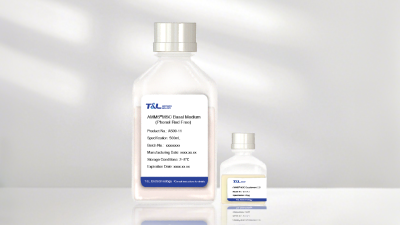
In the realm of biomedical research, optimizing cell culture conditions is critical for achieving reliable and reproducible results. The AMMS®MSC Cell Culture Kit 2.0 (Phenol Red Free) stands out as a superior choice for scientists looking to enhance their research outcomes. This specialized kit is designed to create a more physiologically relevant environment for mesenchymal stem cells (MSCs), promoting their growth and maintaining their functionality without the interference of phenol red. Utilizing this kit allows researchers to delve deeper into cellular behaviors and responses, yielding data that is both accurate and applicable in clinical settings.
One of the key benefits of the AMMS®MSC Cell Culture Kit 2.0 is its optimized formulation, which supports cell health and viability over extended periods. The absence of phenol red not only minimizes potential artifacts during experiments but also aligns with the latest trends in stem cell research, where clarity and precision are paramount. By incorporating this kit into their workflow, researchers can expect improved consistency in their results, which is essential for advancing our understanding of MSC behaviors and their therapeutic potentials.
Available in stock and identified by model number AS-33, the AMMS®MSC Cell Culture Kit 2.0 is readily accessible for laboratories eager to enhance their experimental designs. With its user-friendly application and proven advantages, this cell culture kit is an invaluable tool for researchers committed to maximizing the impact of their scientific endeavors. Embrace the future of cell culture today and experience the difference that the AMMS®MSC Cell Culture Kit 2.0 can make in your research.
FAQS
: Selecting high-quality cell culture products is essential for obtaining reliable experimental results and advancing research effectively.
Always consider the specifications such as cell line compatibility and sterility assurances.
Leverage resources offered by manufacturers, such as technical support and user guides.
Collaborating with Chinese manufacturers can enhance research capabilities and provide insights into the latest advancements in cell culture technologies.
Effective communication can increase project success rates by up to 30%, ensuring smoother workflows and timely deliveries.
Understanding the regulatory landscape in China is crucial for avoiding costly delays and ensuring projects meet milestones on time.
3D cell culture techniques allow researchers to recreate tumors from single cells, providing predictive insights that aid in personalized and effective cancer therapies.
3D technologies enhance the physiological relevance of in vitro models, leading to better disease modeling crucial for drug discovery.
By optimizing growth conditions and minimizing toxic by-products, the cultivated meat industry is addressing production challenges and achieving environmental sustainability.
Integrating metabolomics can provide deeper insights into toxicological assessments and the effects of environmental pollutants, enhancing research outcomes.